
Lost in Time: Discovering the Ghost Town of Gwalia

If you’re planning a trip through Western Australia’s Goldfields, be sure to visit Gwalia—one of the most fascinating and photogenic historical towns in the region. This unique destination offers a rare glimpse into Australia’s gold rush past and is now a beautifully preserved living ghost town.
Originally established on the outskirts of the Sons of Gwalia mine, Gwalia quickly grew into a thriving community of over 1,200 residents. It became one of the richest gold mines in Western Australia, attracting workers from as far as Italy and Yugoslavia, all seeking opportunity in the goldfields. When the Sons of Gwalia mine closed in 1963, the town was abandoned almost overnight, within weeks the population dropped to just 40.
Things to do in Gwalia?
1. Walk Through a Preserved Ghost Town
Gwalia is a step back in time as you wander through this living museum that captures life in a remote mining town of the late 1800’s. Every building tells a story – revealing the tough, often harsh conditions early miners and their families endured and how resourceful and resilient they had to be.
As you explore the abandoned cottages and shops, you’ll find yourself immersed in the towns fascinating past. Detailed signage provides historical context and an insight into daily life. Most of the dwellings were built using whatever recycled materials the miners could access and include corrugated iron, hessian walls, and newspapers for wall insulation.
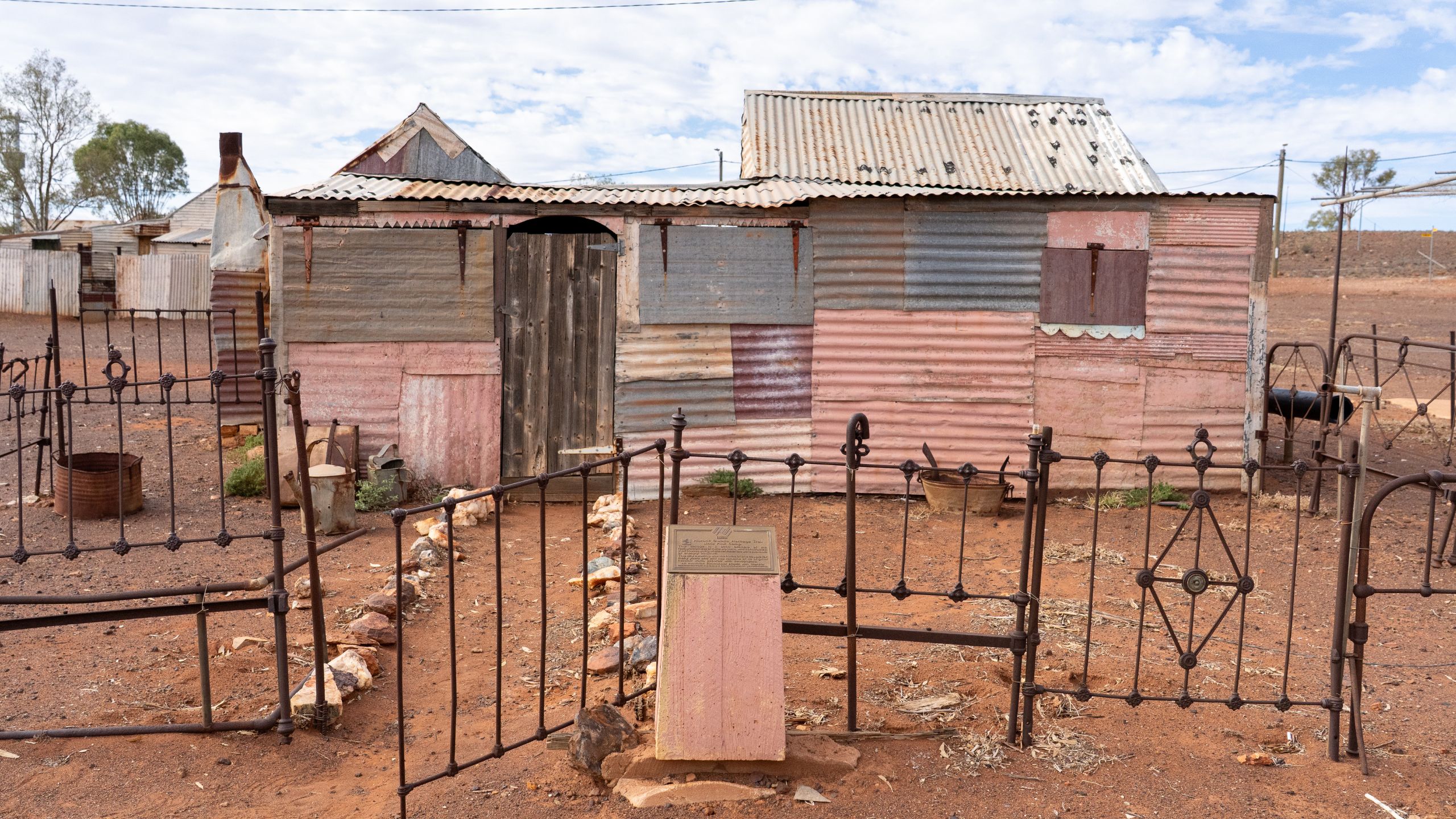
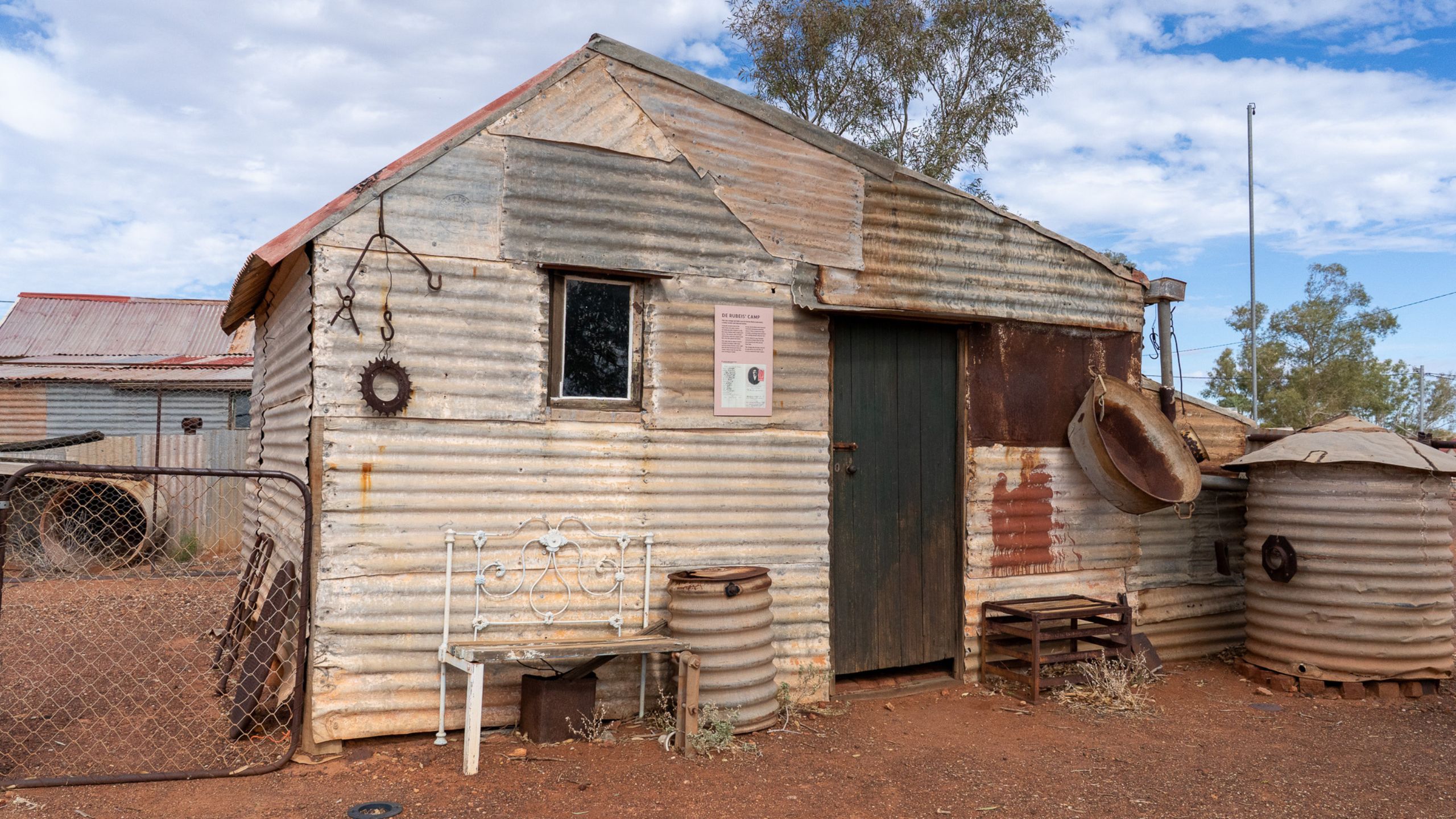
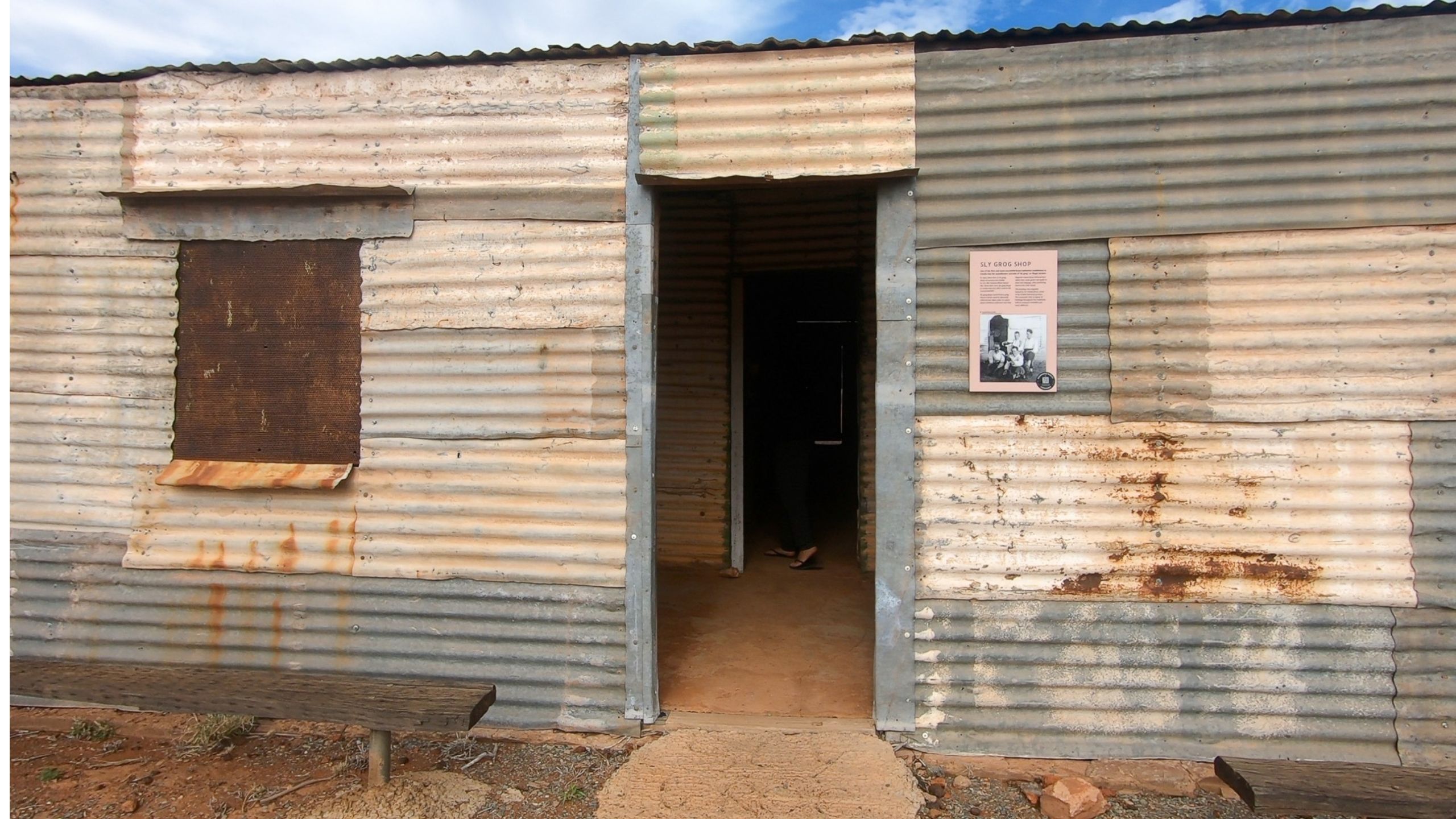
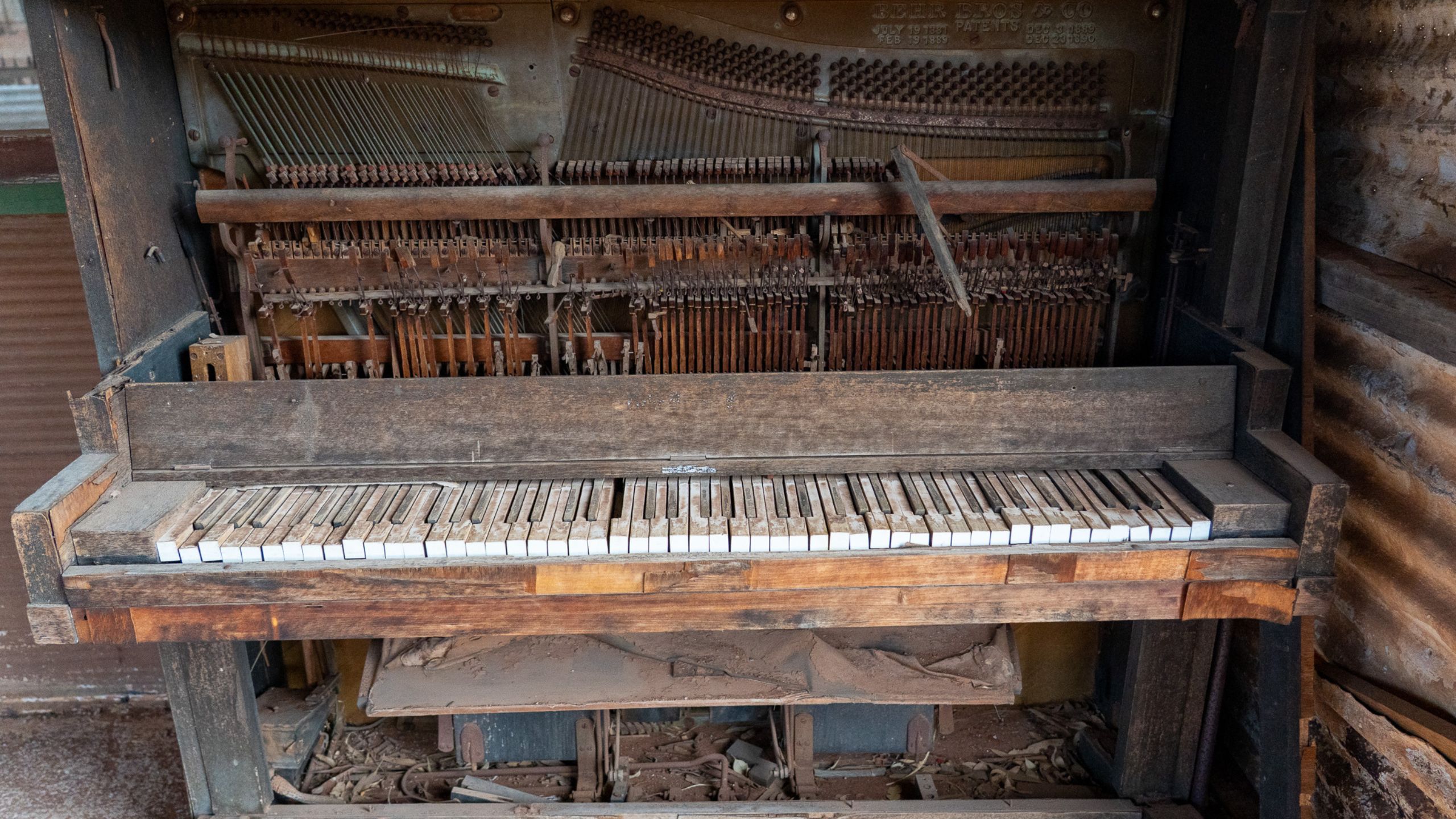
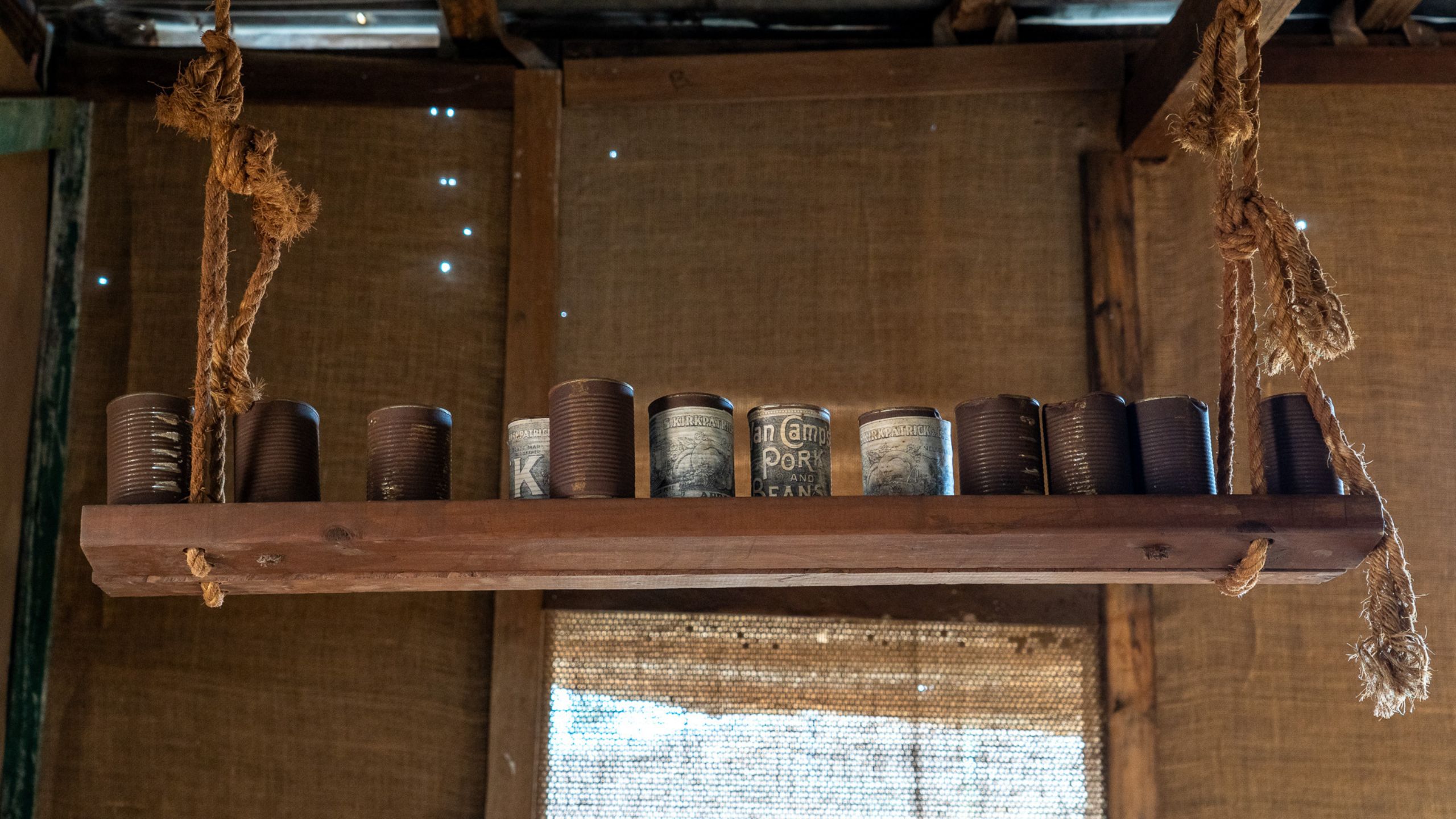
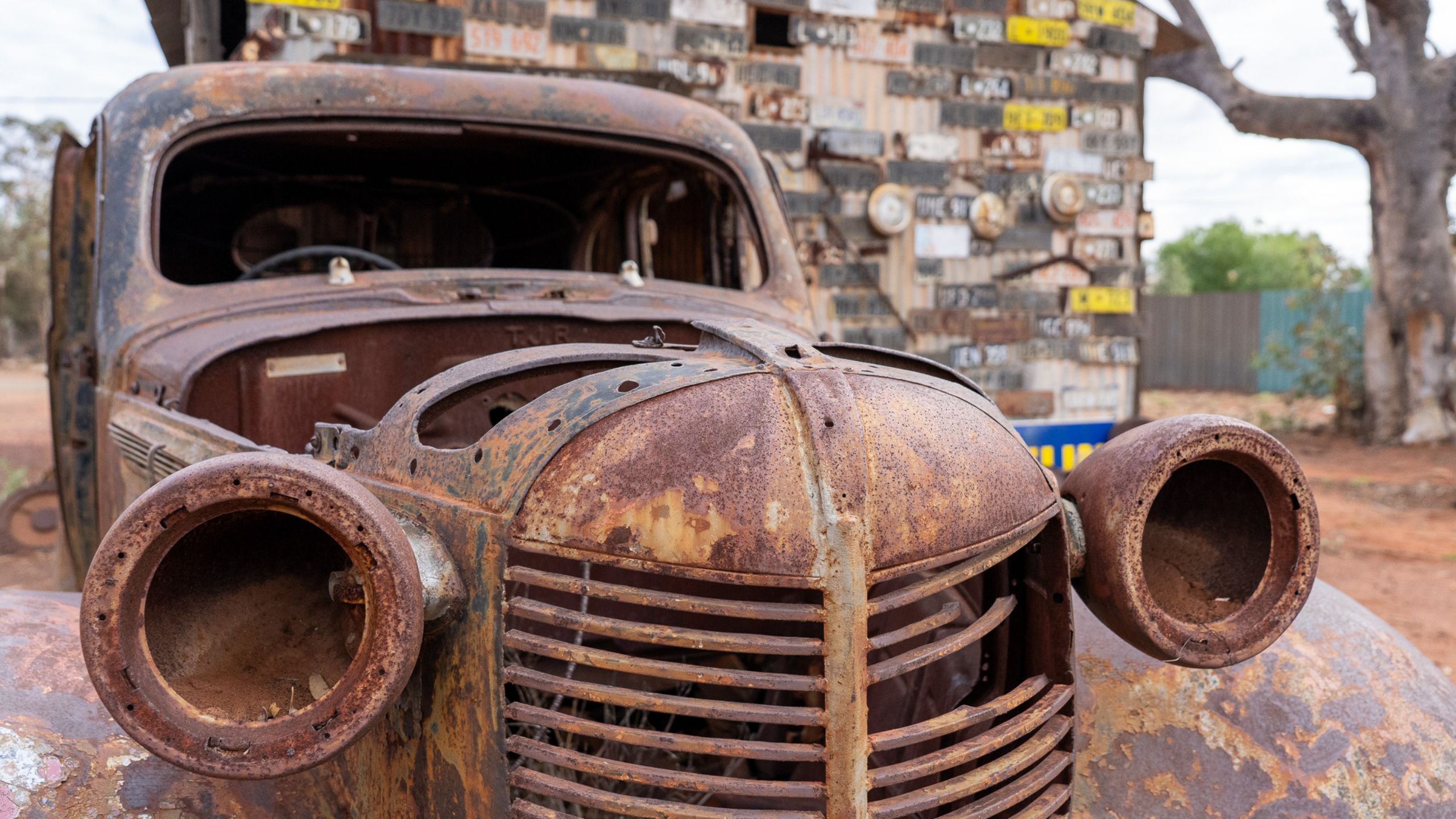
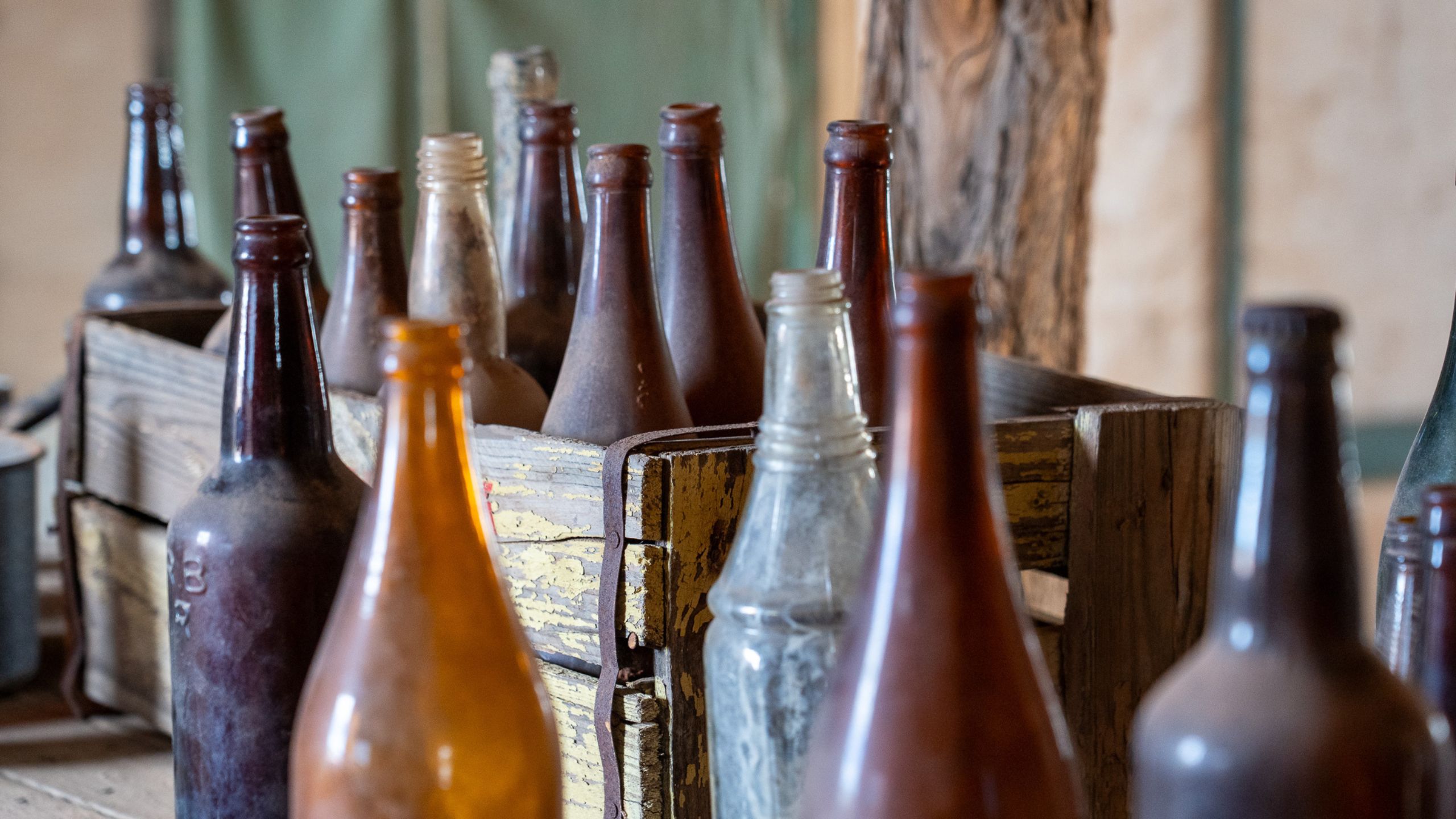
First, peek through the window of Mazza’s Store, which once supplied everything from flour to fabrics to this growing township. Next, visit Patroni’s Guest Home, where single mine workers found a much-needed place to rest. Then, stop by the Sly Grog Shop—informal bars where immigrant workers gathered to drink and speak their native languages. Afterwards, don’t miss the Mechanic’s Workshop, overflowing with old car parts, tools, and a large collection of vintage number plates.
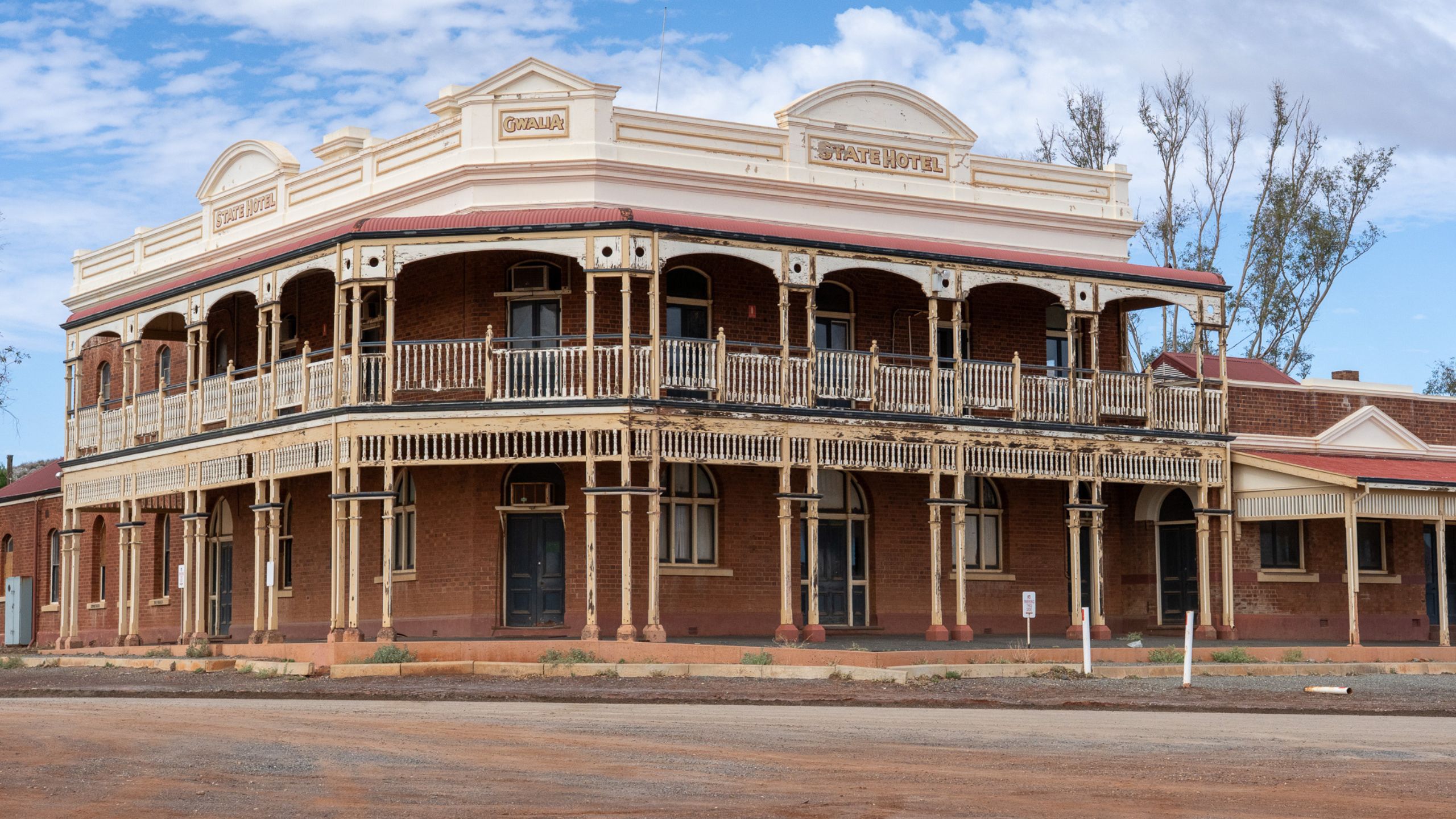
Finally, admire the prominent Gwalia State Hotel. Built by the WA government in 1903 to provide a licensed venue and help combat the illegal alcohol trade, the hotel closed its doors in 1964 and remains shut. Nevertheless, it stands as a stunning example of the Federation Filigree style, typical of traditional Australian pubs from the early 1900s.
2. Visit the Gwalia Museum
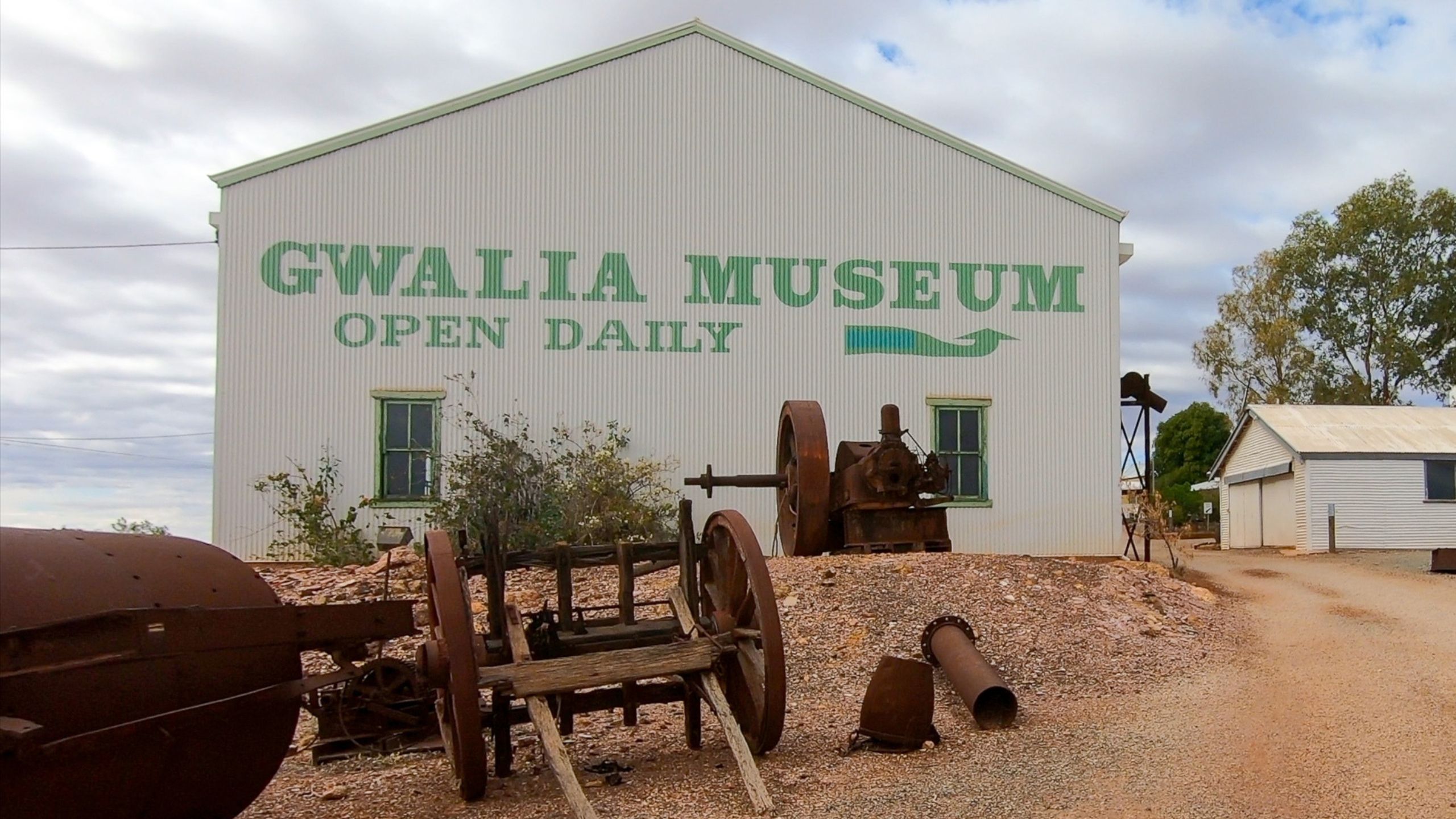
Situated at the top of the hill you will find the Gwalia Museum which is one of the best places in Western Australia to explore gold mining history. Housed in the original mine administration buildings, the museum features collections of photographs, documents, resident belongings and original mining equipment. Open daily from 9am – 4pm. Entry is free, however donations are gratefully welcomed.
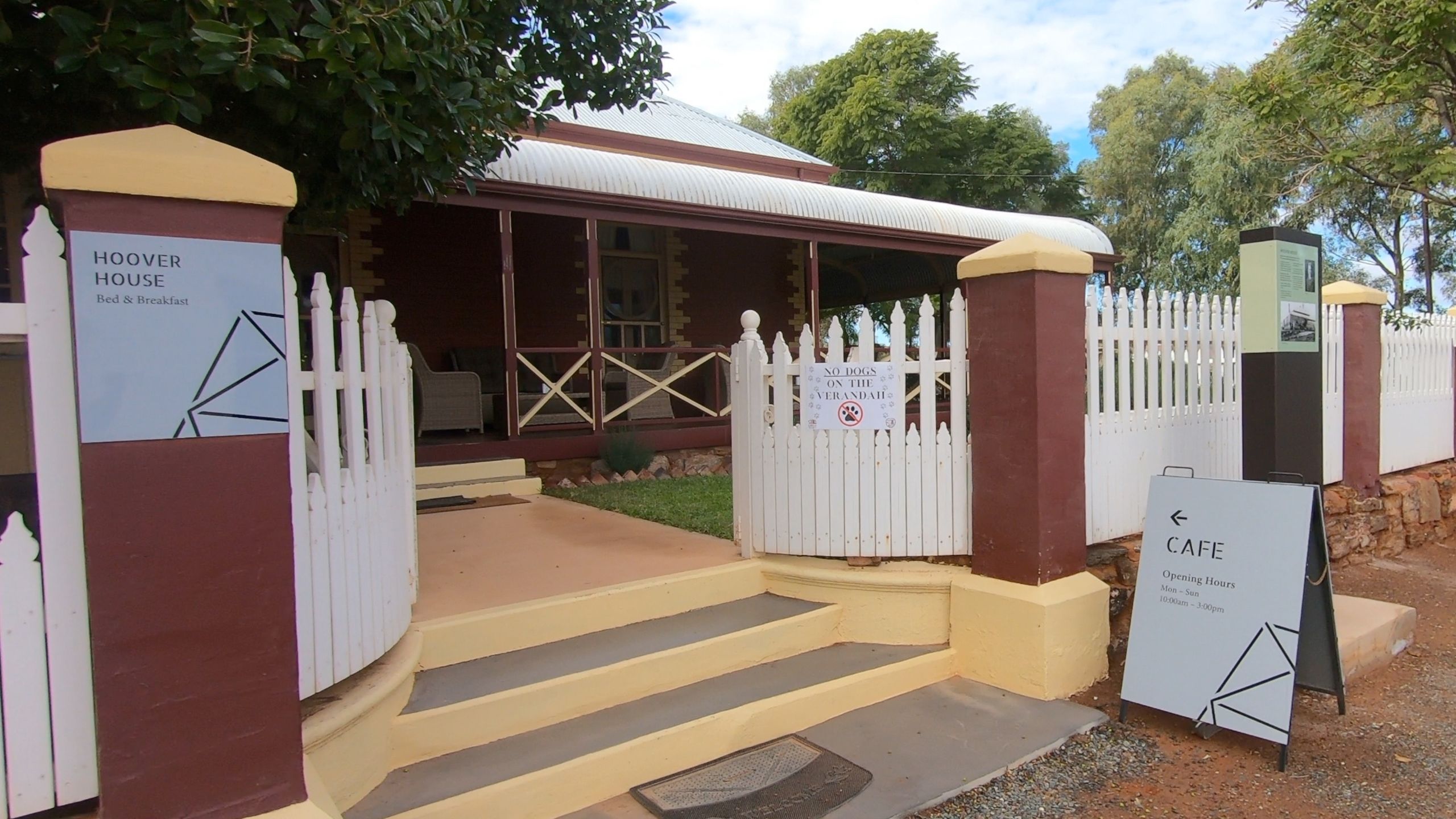
Standing pride of place is the former mining manager’s house. Commissioned and designed in 1897 by the original mining manager – Herbert Hoover. That is the same Herbert Hoover who would later become the 31st President of the United States. Today this historic building is Hoover House – a luxury Bed & Breakfast and function centre. There is a café onsite for day visitors and is open daily 10am-3pm providing a selection of sweet and savoury treats and hot and cold beverages.
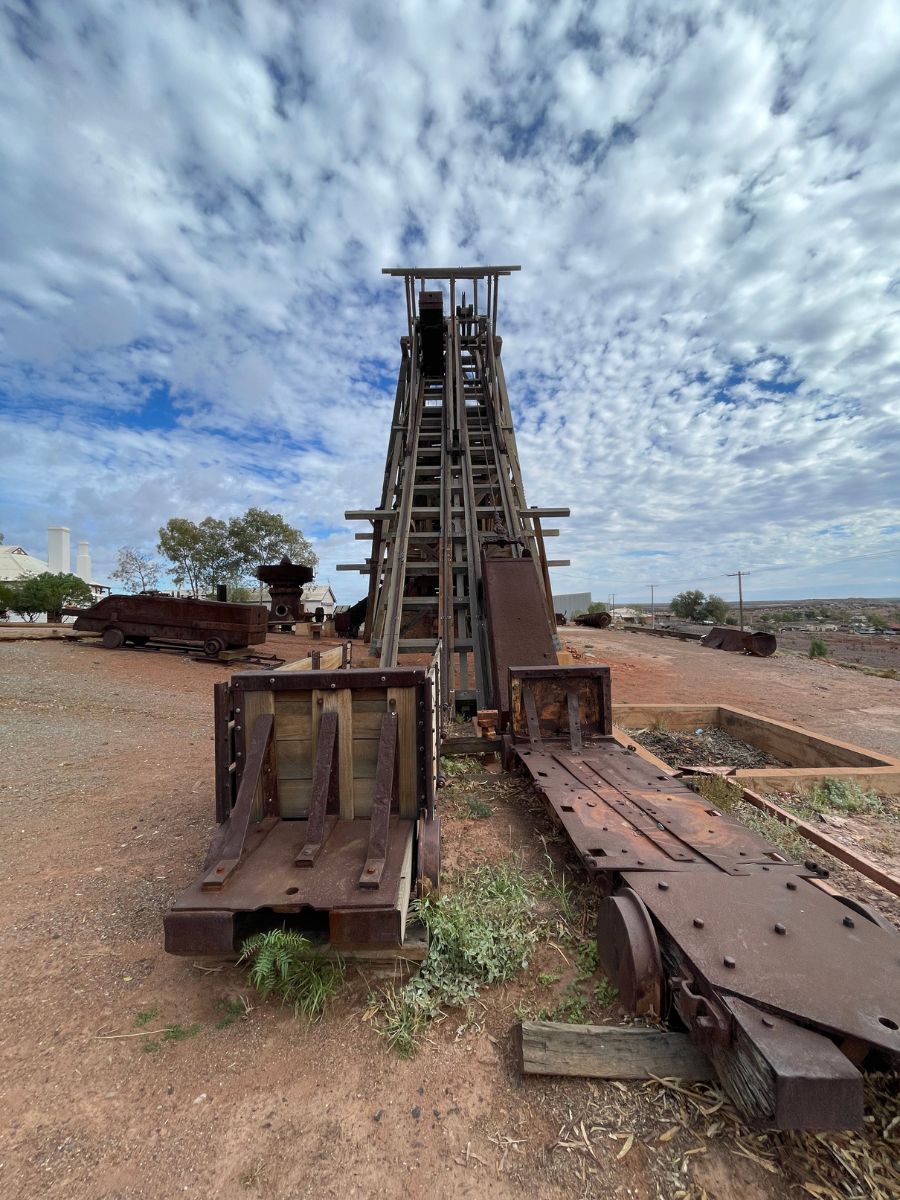
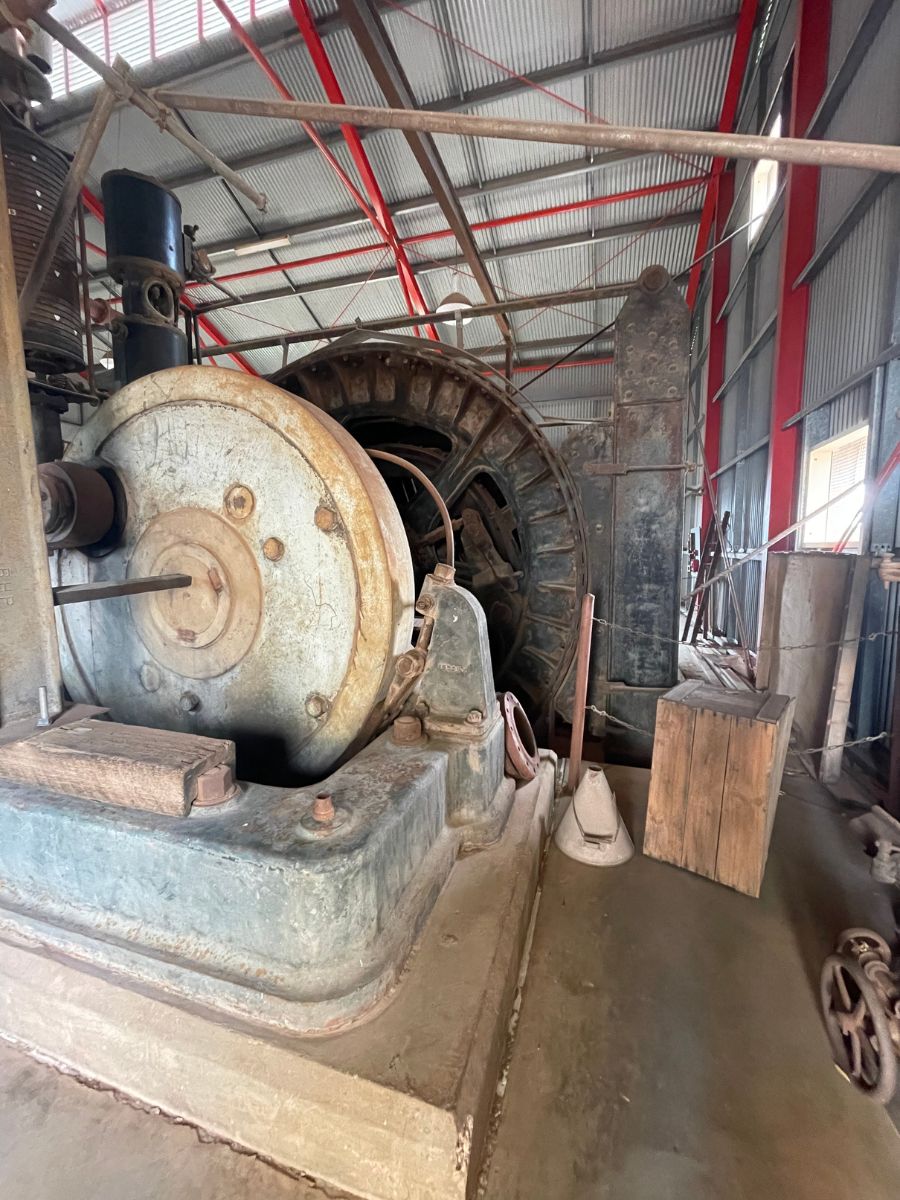
Don’t miss the large timber headframe—it’s the only surviving large incline headframe in Australia and one of the few left worldwide. Next, check out the 1912 Fraser & Chalmers steam winder—a fully restored machine that once hauled miners underground and brought gold ore to the surface. This rare piece of engineering history is one of only three still in existence worldwide. Finally, stop to admire Midland, one of the original steam engines that transported timber to the mine.
3. View the Deepest Trucking Mine in the World
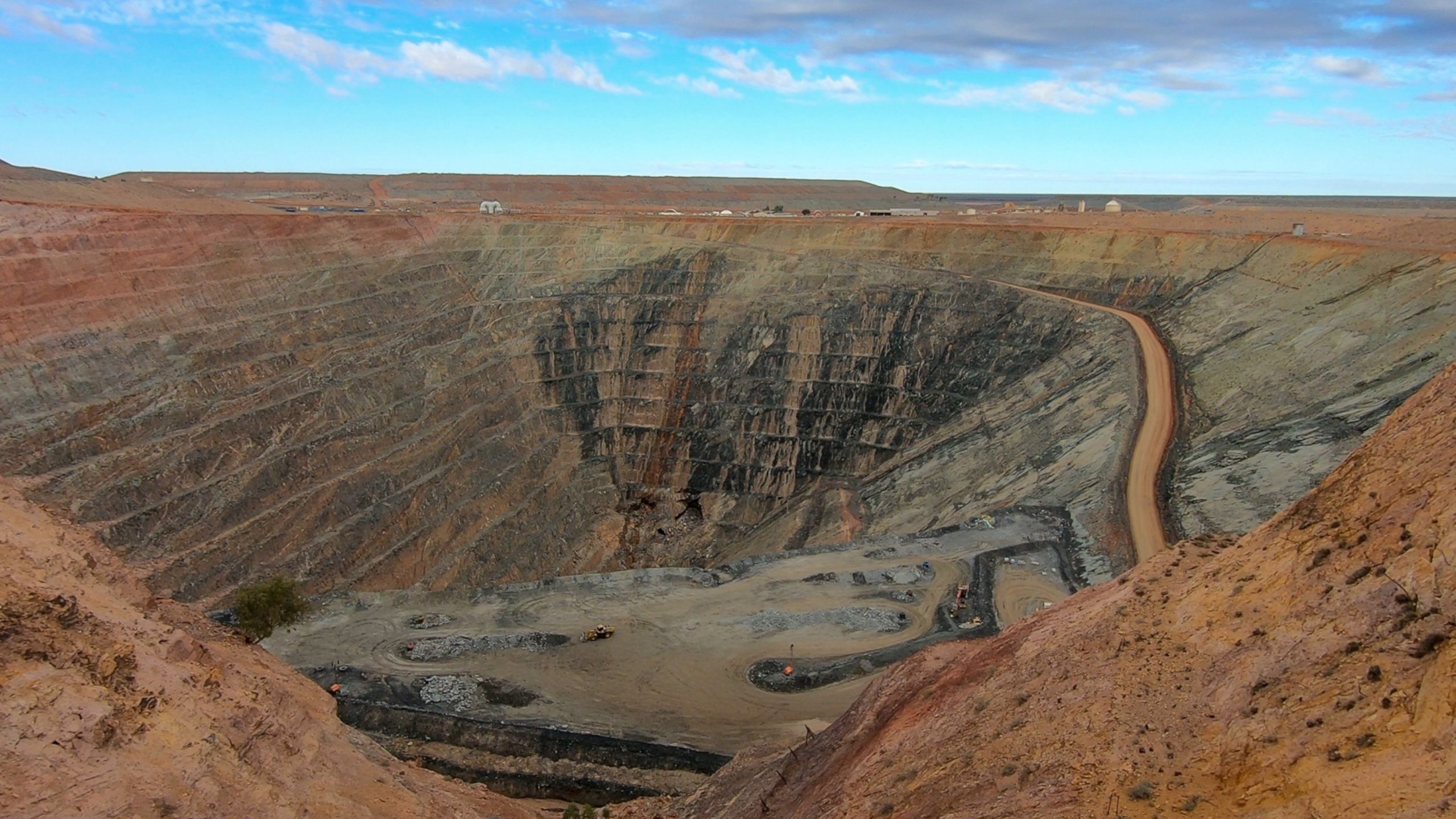
The mine is once again operational – reopening in 1983. For a spectacular view of the open-cut mine, head to the viewing platform just before the Gwalia Museum entrance. This mine holds the record as the deepest trucking mine in the world, reaching a depth of 1,600 metres. In fact, it takes mining trucks 80 minutes to travel the 12 kilometres from the depths to the surface. We timed our visit perfectly, seeing trucks return to the surface—at this scale, these enormous vehicles looked like Tonka toys.
How to get to Gwalia, WA
Gwalia is located just 3 km south of Leonora, 230 km north of Kalgoorlie and is accessible to all vehicles via the Goldfields Highway. We visited on a day trip from Lake Ballard where we had based ourselves. If you want to further explore the northern goldfields area you can have a read of our Lake Ballard guide here.
Where to stay?
There is a 72-hour free camp outside the Gwalia Museum. It is available only for RV’s and caravans that are self contained and have an enclosed grey water tank. Register at the museum before 4pm.
A short drive away is Lenora Caravan Park offering powered and unpowered sites and cabins suitable for all travellers.
Alternatively, if you want the full Gwalia experience you can book a room at the Hoover House Bed & Breakfast. They offer three elegant rooms decorated in period style with sweeping views of the goldfields.
How long to spend here?
Allow yourself 2 to 4 hours to explore Gwalia and soak up its rich history. For reference, we spent about 3 hours visiting all the buildings in the ghost town, as well as the museum and exhibits. This gave us plenty of time to read the detailed historical information and take lots of photos. However if you are less interested in history and photography, you can still enjoy enough of the Gwalia history and experience in a shorter time.
Gwalia is a hidden gem that should be on your list of attractions for your Goldfields itinerary. Offering a truly unique travel experience, Gwalia delivers authentic, memorable, and educational insights into Western Australia’s rich mining history.